Southwark Council rules for graveside funeral flowers in SE15
Posted on 28/09/2026
Southwark Council rules for graveside funeral flowers in SE15: a clear, practical guide
If you are arranging graveside funeral flowers in SE15, the last thing you need is confusion on the day. Southwark Council rules for graveside funeral flowers in SE15 can affect where flowers are placed, how long they remain, and what is considered respectful at the graveside. That matters more than people realise. A small bouquet can mean everything, but only if it is set out properly and in line with cemetery expectations.
In this guide, we break the topic down in plain English. You will find out how the rules usually work, what families should check before the funeral, how to avoid awkward mistakes, and how to choose flowers that suit the setting. It is practical, local, and written for real life - because in the middle of grief, nobody wants a bureaucratic surprise. Let's make it easier.
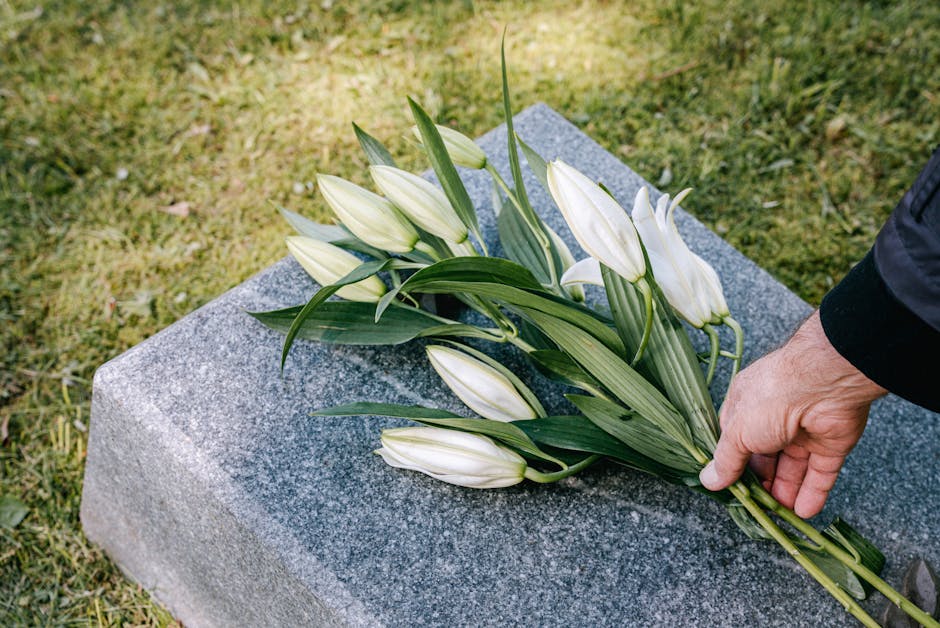
Table of Contents
- Why Southwark Council rules for graveside funeral flowers in SE15 Matters
- How Southwark Council rules for graveside funeral flowers in SE15 Works
- Key Benefits and Practical Advantages
- Who This Is For and When It Makes Sense
- Step-by-Step Guidance
- Expert Tips for Better Results
- Common Mistakes to Avoid
- Tools, Resources and Recommendations
- Law, Compliance, Standards, or Best Practice
- Options, Methods, or Comparison Table
- Case Study or Real-World Example
- Practical Checklist
- Conclusion
- Frequently Asked Questions
Why Southwark Council rules for graveside funeral flowers in SE15 Matters
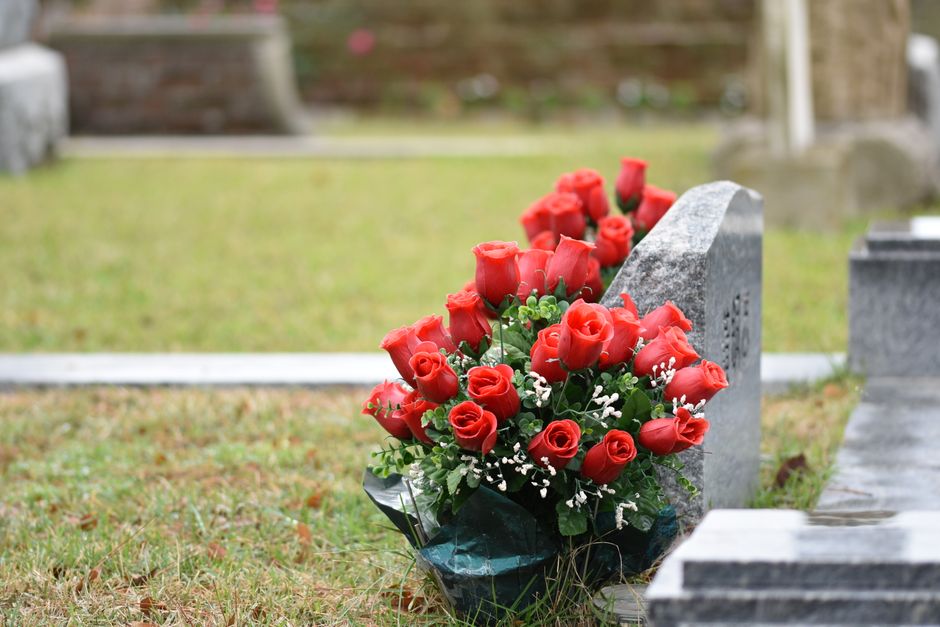
Graveside flowers are not just decoration. They are part of how families say goodbye. In SE15, that goodbye may take place in a cemetery or burial ground managed under Southwark Council expectations, and that usually means there are practical rules to follow. These rules help keep graves safe, accessible, tidy, and respectful for everyone using the site.
Why does that matter? Because funerals are stressful enough without a wreath being moved, a spray being rejected, or a display not fitting the space. In our experience, most problems happen not because families are careless, but because nobody explained the boundaries clearly. A florist may know how to create a beautiful tribute, but the cemetery office knows what is allowed on the ground itself.
There is also a wider point here. Graveside floral arrangements need to work with weather, maintenance schedules, and the physical layout of the grave. Wind can lift lightweight pieces. Mowers and grounds staff need access. Some cemeteries have narrow plots or shared spaces, so oversized arrangements can become awkward very quickly. Truth be told, the nicest-looking tribute is not always the best-fitting one.
For families in Peckham and nearby SE15, the safest approach is simple: check the local cemetery guidance before the funeral, then choose flowers that suit the site rather than just the catalogue picture. That one bit of planning saves a lot of worry later.
How Southwark Council rules for graveside funeral flowers in SE15 Works
There is no single universal rule that applies to every burial ground in exactly the same way, so the important thing is understanding the structure. Southwark Council-managed cemeteries and burial areas generally set expectations around what can be placed on or around a grave, when items may be removed, and whether certain tribute types are preferred over others.
Typically, the process works like this:
- The funeral director or family confirms the burial location.
- The cemetery office or grounds team explains any local floral guidance.
- The family chooses a graveside tribute that fits the plot size and the council's expectations.
- The florist prepares the flowers and, where needed, arranges delivery timing.
- Flowers are placed at the graveside during or after the service, following the site's instructions.
That sounds straightforward, and often it is. But the details matter. Some sites are happy with a small vase arrangement, while others prefer low sprays, wreaths, or loose tributes that do not block access. If flowers are to remain for several days, there may also be expectations about packaging, water sources, or temporary containers. And if a memorial headstone is already in place, the available space may be smaller than expected.
To be fair, councils and cemetery managers are usually not trying to be difficult. They are balancing remembrance with upkeep and safety. The goal is a respectful site that stays dignified for all visitors. That means your flowers need to work within the layout, not fight against it.
If you are ordering locally, it helps to use a florist who understands funeral arrangements and can advise on what is suitable for the setting. A specialist page such as funeral flowers in Peckham SE15 can be a useful starting point when you want the right style without the guesswork.
Key Benefits and Practical Advantages
Following the local graveside flower guidance is not about ticking boxes for the sake of it. It brings a few very real benefits.
- It reduces stress on the day. You are less likely to deal with last-minute changes or awkward surprises at the cemetery.
- It keeps the tribute respectful. A well-chosen arrangement looks natural and considerate, not forced or oversized.
- It helps flowers last better. Suitable packaging, water handling, and sturdy construction can improve the display's appearance.
- It supports site maintenance. Grounds teams can carry out their work without having to move or damage tributes.
- It avoids unnecessary cost. Replacing a flower piece that was not permitted or did not fit the space can be frustrating and expensive.
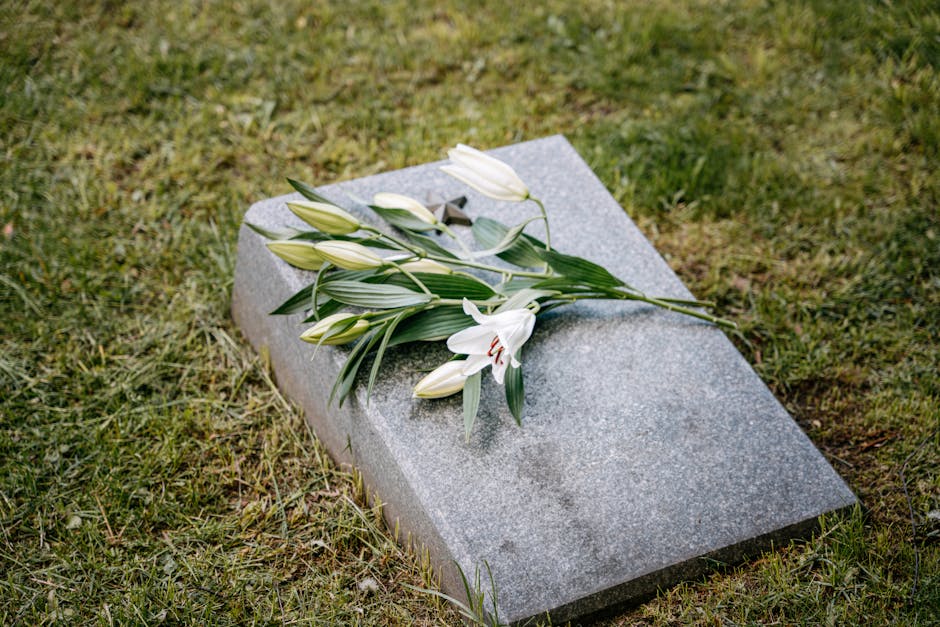
There is a quieter benefit too. When a tribute sits well at the graveside, people notice. Not in a showy way. Just in that calm, respectful way that makes the service feel complete. A neat arrangement of white lilies or a simple spray with soft greenery can say more than a large, overcomplicated display. Sometimes less really is more, even if floristry shops love a dramatic finish.
If you are choosing flowers for a funeral and want a style that feels thoughtful rather than flashy, you may also find white flowers and sympathy flowers useful as gentle starting points.
Who This Is For and When It Makes Sense
This guidance is useful for a few different people, and not just the person organising the funeral.
- Immediate family who want the graveside tribute to feel personal and properly placed.
- Executors or close friends helping with practical arrangements.
- Funeral directors coordinating the service with the cemetery.
- Florists preparing the tribute to fit local cemetery conditions.
- Visitors planning memorial days or anniversaries when flowers may be placed at the grave again.
It makes sense any time a burial is taking place in SE15 and the family wants flowers at the graveside. It also matters when you are visiting later and want to refresh a tribute without breaching local guidance. Some people assume graveside flowers are always left exactly as they are placed. Not quite. Weather, maintenance and site rules can change that. A sensible arrangement is one that accepts real life.
There are also cultural and personal choices involved. Some families prefer subtle, restrained tributes. Others want a large, more expressive floral piece. Both can be right - if they suit the cemetery's layout and the family's wishes. That balance is really the heart of it.
Step-by-Step Guidance
If you want the simplest route, follow these steps in order. Nothing fancy. Just practical, calm, and effective.
1. Confirm the burial location
Start with the exact cemetery or burial ground in Southwark and the grave type, if known. A new grave, a reopened family grave, and an existing memorial space can each have different practical limits.
2. Ask about local flower guidance
Check whether the site has preferences on size, container type, placement, or removal timing. If you are using a funeral director, ask them to confirm this for you. It saves time and avoids crossed wires.
3. Decide on the tribute style
Common graveside choices include wreaths, sprays, posies, cushions, hearts, crosses, and simple vase arrangements. The right choice often depends on the ceremony style and how much space is available.
4. Choose flowers that suit the occasion
For funerals, white roses, lilies, chrysanthemums, carnations and mixed sympathy flowers are all familiar choices in the UK. You can also include favourite colours or flowers that reflect the person's character. A small detail can be surprisingly moving.
5. Think about durability
If the flowers will be on the grave for more than a short service, pick blooms that handle movement and weather well. Sturdy stems, secure binding and a sensible water source matter more than most people think.
6. Plan delivery timing
Ask for delivery close to the service time, especially in warmer weather or when traffic in London may cause delays. A tribute that arrives too early can look tired by the time everyone gets there.
7. Confirm placement
On the day, make sure someone knows where the flowers should go and who is responsible for placing them. If the family is divided between different cars, this tiny detail can become weirdly important. Been there, seen that.
8. Keep a note for later visits
If the flowers are not meant to stay permanently, make a note of when they should be cleared or refreshed. This is especially useful for anniversaries and memorial dates.
One useful rule of thumb: if the arrangement looks likely to block a walkway, spill into another plot, or topple in the wind, rethink it. A smaller tribute can still be deeply beautiful.
Expert Tips for Better Results
Here is where the small details pay off. These are the bits that tend to separate a smooth funeral tribute from one that feels a little off.
- Use low, stable designs. Graveside tributes usually work better when they sit close to the ground and do not wobble.
- Keep wording simple. If you add a card, short messages often feel more sincere than long ones.
- Match the tribute to the person. A favourite flower, colour or season can make the arrangement feel personal without being overdone.
- Choose a florist who understands funeral work. Sympathy arrangements are different from everyday bouquets. The handling, timing and presentation all matter.
- Ask about substitutions. If a flower is out of season, a florist should be able to offer something that keeps the same mood.
If you are unsure where to start, browsing a specialist sympathy collection can help narrow the options. For example, sympathy flowers, tributes, and wreaths give a good sense of the styles commonly used at funerals and gravesides.
A small human tip from real experience: don't try to make the tribute say everything. The flowers are there to support the goodbye, not compete with it. One clear idea is usually enough.
Common Mistakes to Avoid
Most issues with graveside funeral flowers are avoidable. The tricky part is that they tend to show up at exactly the wrong time.
- Ordering without checking cemetery rules. This is the big one. A beautiful arrangement can still be unsuitable.
- Choosing something too large. Oversized pieces may not fit the grave space or may be awkward for staff to manage.
- Ignoring weather. Lightweight decorations and delicate blooms do not always survive wind, rain or warm conditions.
- Leaving timing too late. Funeral flowers should not be a last-minute panic order if you can avoid it.
- Using fragile packaging. Poor support can make the arrangement sag or split before the service even starts.
- Forgetting the message card. It is a small thing, but people do notice when a card is missing or has a spelling error.
Another subtle mistake is picking something because it looks dramatic online. Online images are helpful, sure, but graveside conditions are different from a studio photo. A flower piece has to work outdoors, on uneven ground, sometimes under a grey sky with a bit of drizzle. London being London, that part is not exactly rare.
Tools, Resources and Recommendations
You do not need much to get this right, but a few practical tools make the process easier.
- Service details sheet: keep the funeral time, cemetery name, and contact details in one place.
- Measured plot information: even approximate dimensions help the florist choose the right design.
- Flower reference photos: useful if you want to show style, colour, or size preferences.
- Delivery plan: confirm who is receiving the flowers and at what time.
- Backup contact: especially important if the family and florist need to coordinate on the day.
For product ideas, it can help to look at specific tribute forms rather than general bouquets. In a funeral setting, styles like funeral flowers, sprays, posies if available on site, and letter tributes may be relevant depending on the family's wishes. If you need something more traditional, white roses service arrangements and other soft-toned pieces often work well at the graveside.
And if time is tight, same-day or next-day delivery may be helpful, provided it still allows the tribute to arrive in good condition. The practical side matters. It really does.
Law, Compliance, Standards, or Best Practice
For this topic, the safest approach is to treat council guidance, cemetery rules, and funeral home instructions as the working standard. Local burial grounds can have their own expectations about what may be placed at a grave, how long items stay there, and whether any items must be removed after the service or after a set period.
Because those rules can vary by site, you should avoid assuming that one cemetery's practice applies everywhere in Southwark. If a graveside tribute is for a burial in SE15, confirm the guidance directly with the relevant cemetery or funeral director before ordering. That is especially important for larger arrangements, floral displays with fixed supports, or anything that might obstruct maintenance access.
From a best-practice perspective, a graveside flower tribute should be:
- respectful in tone
- safely positioned
- stable in outdoor conditions
- appropriate for the space available
- easy to manage after the service
Good funeral floristry also follows everyday UK expectations around clear communication, careful substitution if a bloom is unavailable, and honest presentation of what will be delivered. If you are ordering from a florist, ask how they prepare for weather, transport, and timing. A straightforward answer is a good sign.
Options, Methods, or Comparison Table
Different graveside tribute styles suit different needs. Here is a simple comparison to help narrow things down.
| Tribute type | Best for | Practical notes | Overall feel |
|---|---|---|---|
| Wreath | Traditional remembrance | Stable and familiar; often easy to place | Classic and respectful |
| Spray | Graveside placement on or near the casket/plot | Low profile; good for outdoor display | Formal and elegant |
| Posy or cushion | Smaller graveside tributes | Works well where space is limited | Soft and personal |
| Heart or cross | Symbolic family tribute | More visual impact; check sizing carefully | Meaningful and recognisable |
| Vase arrangement | Ongoing grave visits | Requires a suitable container and placement plan | Simple and tidy |
If you are torn between styles, think about the setting first and the sentiment second. Not because sentiment is unimportant - far from it - but because the tribute has to sit well in the space. That balance is what usually works best.
Case Study or Real-World Example
A family in SE15 once wanted a fairly full tribute for a graveside burial: white roses, lilies, and a few soft purple accents. The original idea was lovely, but the cemetery plot was narrower than expected and there was a memorial already in place. On the day before the funeral, they checked the layout with the florist and scaled the design down into a lower spray with the same colour palette.
It sounds like a tiny adjustment. In practice, it made all the difference.
The tribute still looked elegant. It still felt personal. But it fitted neatly at the graveside without crowding the space or drawing attention for the wrong reason. The family later said it looked "just right", which is often the best outcome you can hope for in a moment like that.
This is a common pattern, by the way. Families often start with a visual idea, then refine it once they know the plot conditions. That is not a compromise. It is good planning. And, honestly, it tends to result in a better tribute.
Practical Checklist
Before the funeral, run through this checklist. It is a small thing that can save a lot of bother.
- Confirm the exact cemetery or burial ground in SE15.
- Check any Southwark Council or site-specific guidance on graveside flowers.
- Ask whether there are size, placement, or removal rules.
- Choose a tribute style that suits the grave space.
- Decide on colours, flowers, and any message card wording.
- Confirm the delivery time with the florist.
- Make sure someone knows who is placing the tribute.
- Check whether the flowers need a water source or container.
- Ask about weather resilience if the service is outdoors.
- Plan what should happen to the flowers after the service.
Quick reminder: the best graveside arrangement is the one that feels personal and fits the site properly. Simple, neat, and thoughtful usually wins.
Conclusion
Southwark Council rules for graveside funeral flowers in SE15 are really about one thing: helping families create a respectful tribute without running into avoidable problems. Once you understand the basics - space, placement, timing, and local guidance - the process becomes much easier. And it should. This is a tender moment, not an admin exercise.
The most reassuring approach is to confirm the cemetery expectations first, then choose flowers that suit both the person being remembered and the practical realities of the site. That may mean a wreath, a simple spray, a posy, or a modest vase arrangement. Whatever you choose, it can still be deeply meaningful.
If you are still deciding, take your time, check the details, and keep the tribute grounded in what feels right for your family. That is usually enough. More than enough, really.
Get a free quote today and see how much you can save.
Frequently Asked Questions
What are the Southwark Council rules for graveside funeral flowers in SE15?
They are the local expectations that guide how funeral flowers are placed, sized, and managed at graveside burial sites in SE15. The exact details can vary by cemetery or burial ground, so it is always best to confirm the site guidance before ordering.
Can I place flowers directly on the grave?
Often yes, but it depends on the cemetery's rules and the condition of the grave. Some sites are happy with direct placement, while others prefer arrangements in containers or low-profile tributes that do not obstruct access.
How long do graveside funeral flowers usually stay in place?
That depends on the cemetery's maintenance routine and any guidance from the family or funeral director. Some tributes are left for several days, while others are removed earlier. If in doubt, ask before the service.
What flowers are most suitable for a graveside funeral tribute?
White roses, lilies, chrysanthemums, carnations and mixed sympathy flowers are common choices because they look respectful and work well in funeral settings. The best choice is usually the one that balances personal meaning with durability.
Are wreaths or sprays better for graveside services?
Both can work well. Wreaths are traditional and recognisable, while sprays sit lower and often suit graveside placement more naturally. The available space and cemetery guidance usually decide it.
Do I need permission before bringing flowers to a grave in SE15?
In many cases you should check with the cemetery or funeral director first, especially for a new burial or a larger tribute. Small personal arrangements may be fine, but local guidance is still the safest route.
Can the florist deliver directly to the cemetery?
Yes, many florists can do this if the delivery details are clear. It helps to give the full cemetery name, service time, and a contact number so the tribute arrives at the right moment.
What if the grave space is very small?
Choose a compact tribute such as a posy, cushion, or low spray. Smaller pieces can look just as elegant, and in some cases they look better because they fit the plot neatly.
Are artificial flowers allowed at gravesides?
That depends on the specific cemetery rules. Some places allow them, others prefer fresh flowers, especially for funerals. If you are unsure, ask before placing anything.
How do I make sure the tribute does not blow away in the wind?
Pick a stable design with a low centre of gravity and suitable bindings. Florists experienced in funeral work can usually suggest a more secure option for outdoor placement.
What should I write on the funeral flower card?
Short, heartfelt messages usually work best. Something simple like "Forever in our hearts" or "With love and deepest sympathy" can feel more sincere than a long message.
Where can I find suitable funeral flowers locally in Peckham SE15?
You can look at specialist funeral ranges such as sympathy sprays, wreaths, and tribute arrangements. Local florist collections can help you compare styles, colours and price levels without starting from scratch.
Can I order same-day funeral flowers in SE15?
Sometimes yes, if the florist has availability and the delivery timing fits the funeral schedule. It is still better to order as early as possible, especially for a graveside service where timing matters.
What is the safest choice if I am not sure what to order?
A simple, low-profile sympathy spray or wreath is often the safest option. It is respectful, widely accepted, and usually easier to place at the graveside than a large or unusual design.